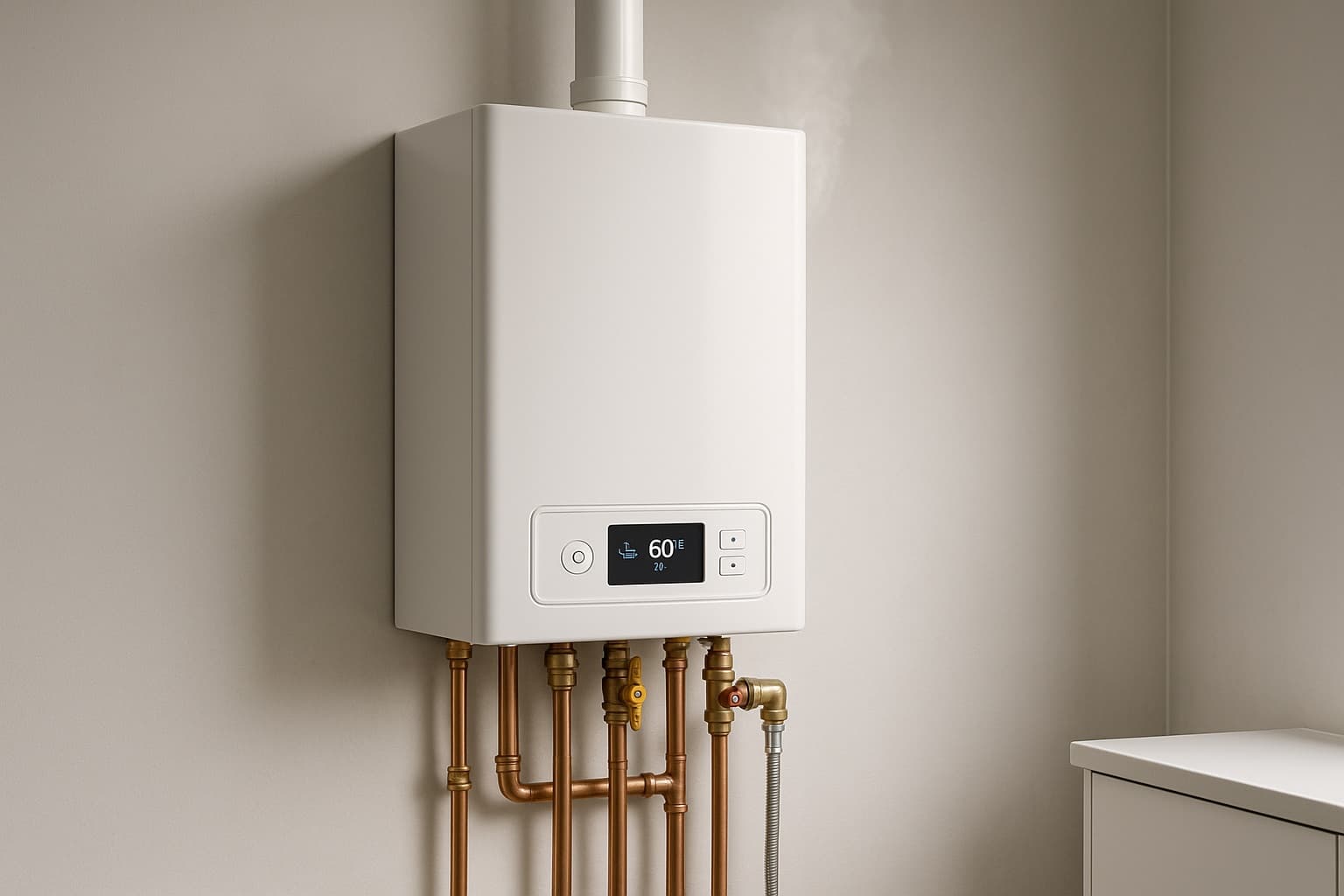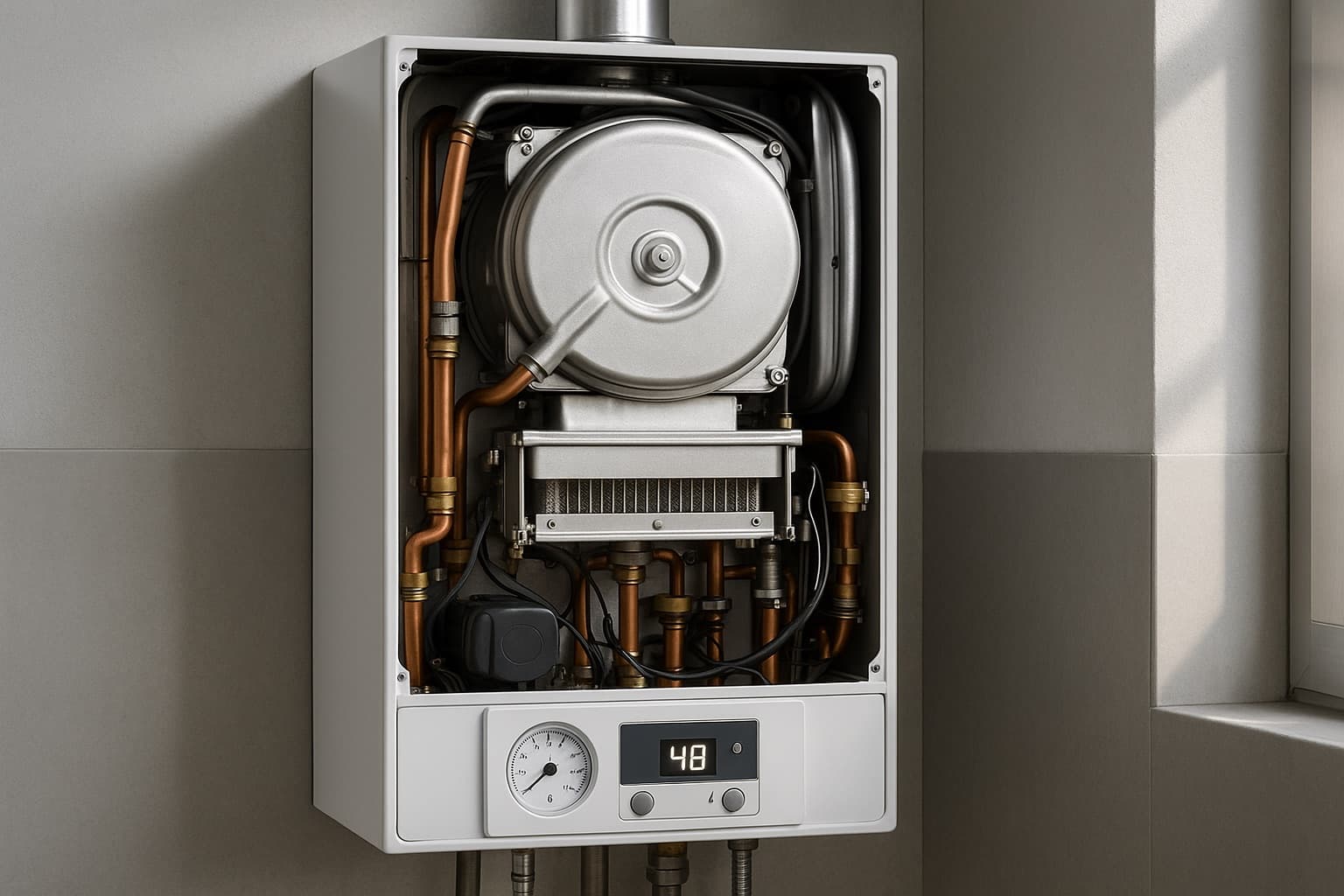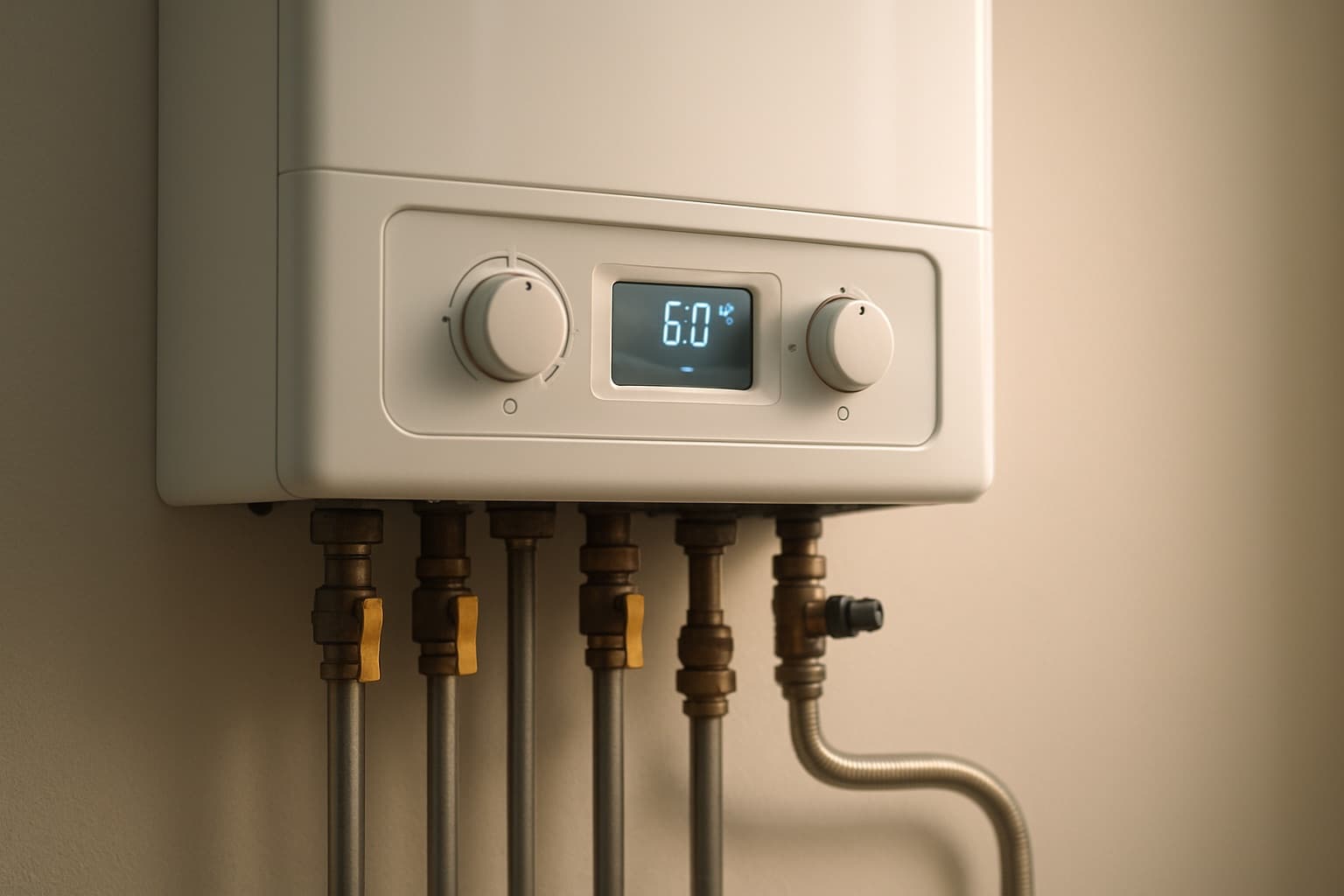
Your boiler shouldn't smell of anything when working normally. If you notice unusual smells, here are some quick checks you can do:
DIY Checks You Can Do
Rotten eggs/sulphur smell – This is gas! Open windows, get everyone out, don’t use electrical switches, and call Gas Emergency: 0800 111 999. This is an emergency.
Burning or plastic smell – Turn off the boiler immediately at the fuse box. Don’t use it again.
Hot dust smell – Normal when first turning heating on after summer. Should disappear within an hour.
Musty/damp smell – Check around the boiler for visible water, damp patches, or discolouration.
Can’t Identify the Smell or Need Help?
Book now CALL FREE: 0800 328 0449
We're Advanced Heating and Plumbing, covering North London, West London, Watford, Herts and Middx.
We can diagnose and fix boiler problems safely.
Common Boiler Smells and What They Mean
Rotten Eggs or Sulphur Smell
What it means: Gas leak
Is it dangerous: YES – potentially life-threatening
What to do immediately:
Don’t use electrical switches or light matches
Open windows and doors
Get everyone out of the property
Call Gas Emergency Services: 0800 111 999
Don’t return until declared safe
Natural gas has no smell, but suppliers add a sulphur odour so you can detect leaks. Never ignore this smell.
Burning or Melting Plastic Smell
What it means: Electrical fault or overheating components
Is it dangerous: YES – fire risk
What to do:
Turn off the boiler immediately
Switch off power supply at the fuse box
Call a Gas Safe registered engineer
Electrical faults can cause fires. Common causes include damaged wiring, overheating circuit boards, or faulty connections.
Metallic or Burning Smell
What it means: Overheating or component failure
Is it dangerous: Potentially – shouldn’t be ignored
What causes it:
New boilers during first use (usually temporary)
Dust burning off after summer
Overheating heat exchanger or failing pump
If the smell persists beyond an hour or is strong, turn off the boiler and get it checked.
Musty or Damp Smell
What it means: Mould growth or damp around the boiler
Is it dangerous: Not immediately, but indicates problems
Common causes:
Water leak creating damp conditions
Poor ventilation around boiler
Mould growing on or behind boiler casing
Check for visible water, damp patches on walls, or discolouration on the boiler casing
Sewage or Drain Smell
What it means: Blocked or leaking condensate pipe
Is it dangerous: Not usually, but needs fixing
Modern condensing boilers produce wastewater that drains through a condensate pipe.
If this blocks or leaks, you might smell drain-like odours. Look for gurgling sounds, water pooling, or error codes.
Sweet Chemical Smell
What it means: Possible carbon monoxide
Is it dangerous: YES – extremely dangerous
Carbon monoxide is sometimes described as having a slightly sweet smell, though many people can’t smell it at all.
Other signs of carbon monoxide:
Yellow or orange flame instead of blue
Sooty marks on boiler casing
Headaches, dizziness, or nausea
What to do:
Turn off the boiler
Open windows
Get everyone out
Call Gas Emergency Services: 0800 111 999
Get medical attention if anyone has symptoms
Hot Dust Smell
What it means: Usually normal when first turning heating on after summer
Is it dangerous: Usually harmless
Dust settles on boiler components during summer. When you first turn heating on, this dust burns off.
The smell should disappear within an hour or two. If it continues or is strong, get the boiler checked.
What to Do About Boiler Smells
Gas smell – Emergency. Leave the property and call 0800 111 999
Electrical/burning smell – Turn off immediately and call an engineer
Any persistent smell – Get professional diagnosis
Regular boiler servicing helps prevent problems that cause unusual smells.
Booking a Boiler Safety Check Is Easy with Us
In London, Watford, Hertfordshire and Middlesex locations locations
Can't fix it yourself?
Our Gas Safe engineers repair gas, oil, and electric boilers same-day. No call-out fee — we quote before we start.
Found this useful? Add Advanced Heating & Plumbing as a preferred source on Google Search and AI Overviews.