Every winter, thousands of boilers break down during the first cold snap because they weren't properly prepared. Here are some quick checks you can do yourself now:
DIY Checks You Can Do
Turn the Heating On
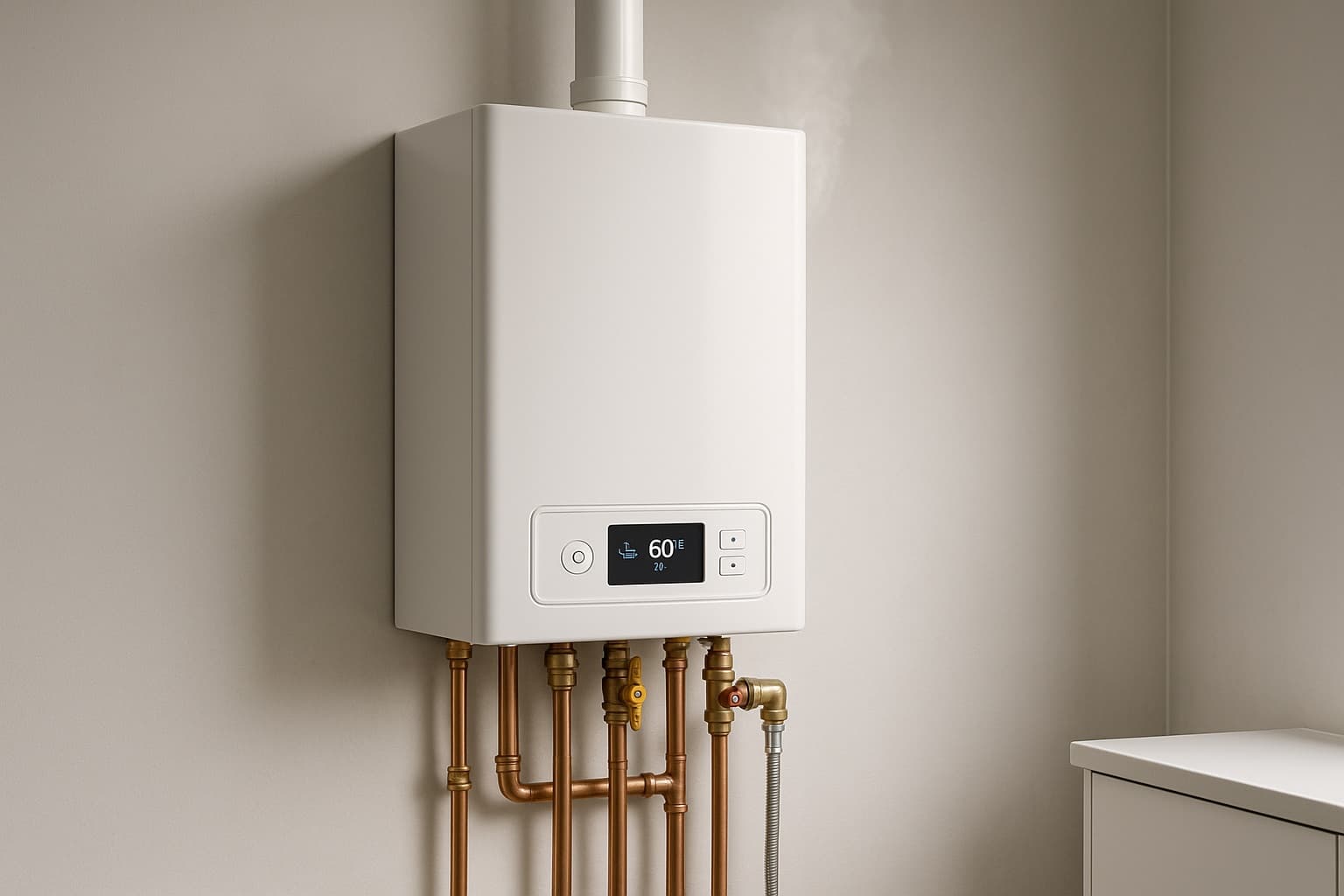
Even if it's mild outside, turn your heating to maximum for an hour. Check that the boiler fires up, all radiators get hot, and there are no unusual noises or error codes.
Check Boiler Pressure
The pressure gauge should read 1–1.5 bar when cold. If lower, you may be able to top it up using the filling loop (check your boiler manual).
If you need to do this regularly, you have a leak.
Bleed All Radiators
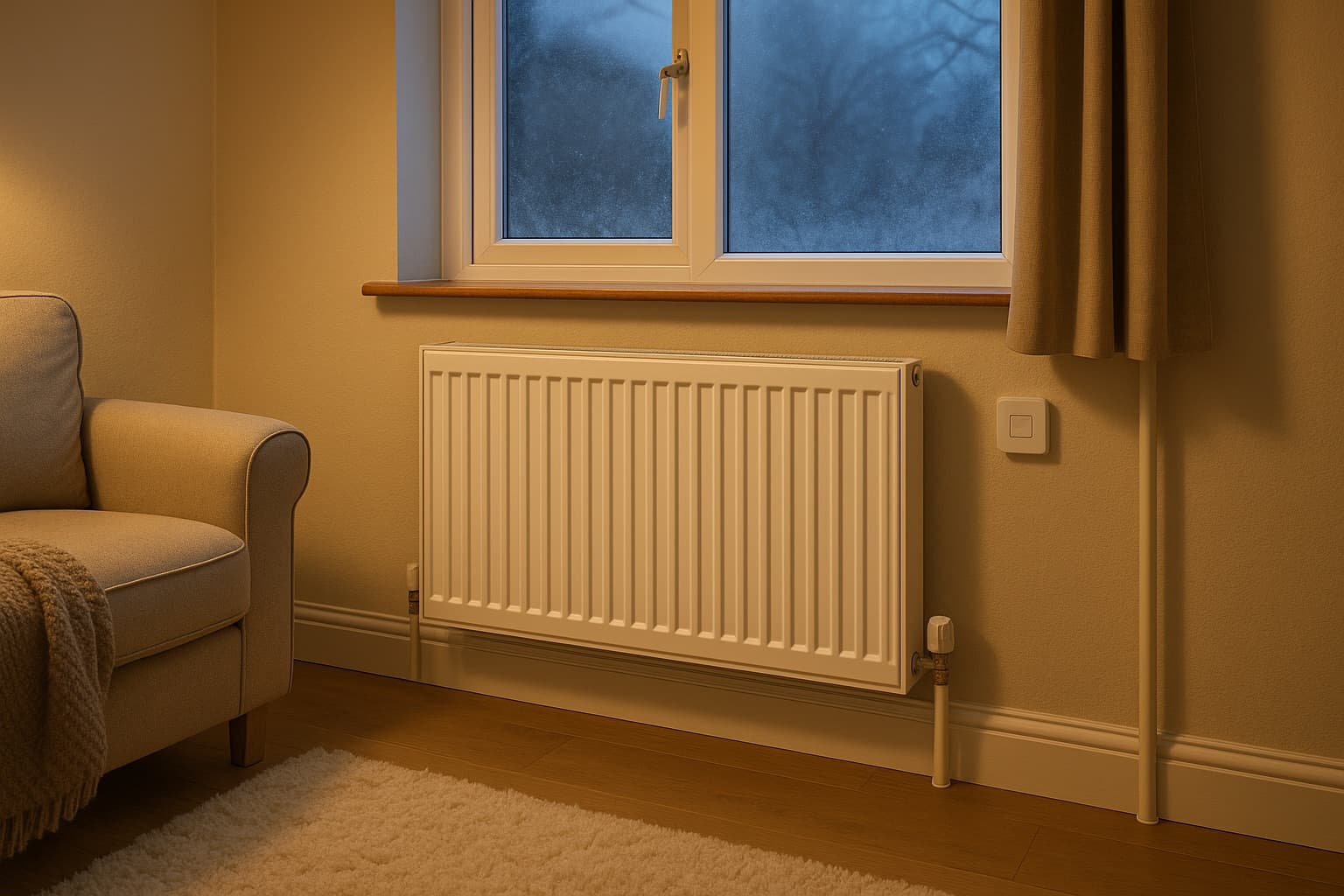
Over summer, air can collect in radiators. Bleed each one using a radiator key.
Open the bleed valve slightly until air hisses out, then close when water drips steadily. Check boiler pressure afterwards.
Listen for Unusual Noises
Banging, whistling, or gurgling sounds indicate problems.
Check External Condensate Pipe
This small white plastic pipe outside is the most common cause of winter boiler breakdowns.
Make sure it's not blocked or damaged. Consider insulating it before winter.
Need a Professional Pre-Winter Service?
Book a boiler service on WhatsApp
We’re Advanced Heating and Plumbing, covering North London, West London, Watford, Herts and Middx.
Our vans carry many common spare parts so we can usually fix any problems found during the service in the same visit.
Call 0800 328 0449 now
Call 0800 328 0449 nowWhy Prepare Your Boiler Before Winter?
During summer, your boiler runs for 20–30 minutes per day, just for hot water. In winter, this increases dramatically – your boiler might run for 6–8 hours per day during cold weather.
This massive increase exposes any weaknesses. Components that seemed fine during light summer use often fail when working hard continuously in winter.
Best time to prepare: September and October, before the first cold weather arrives.
What a Professional Pre-Winter Service Includes
A Gas Safe registered engineer will check:
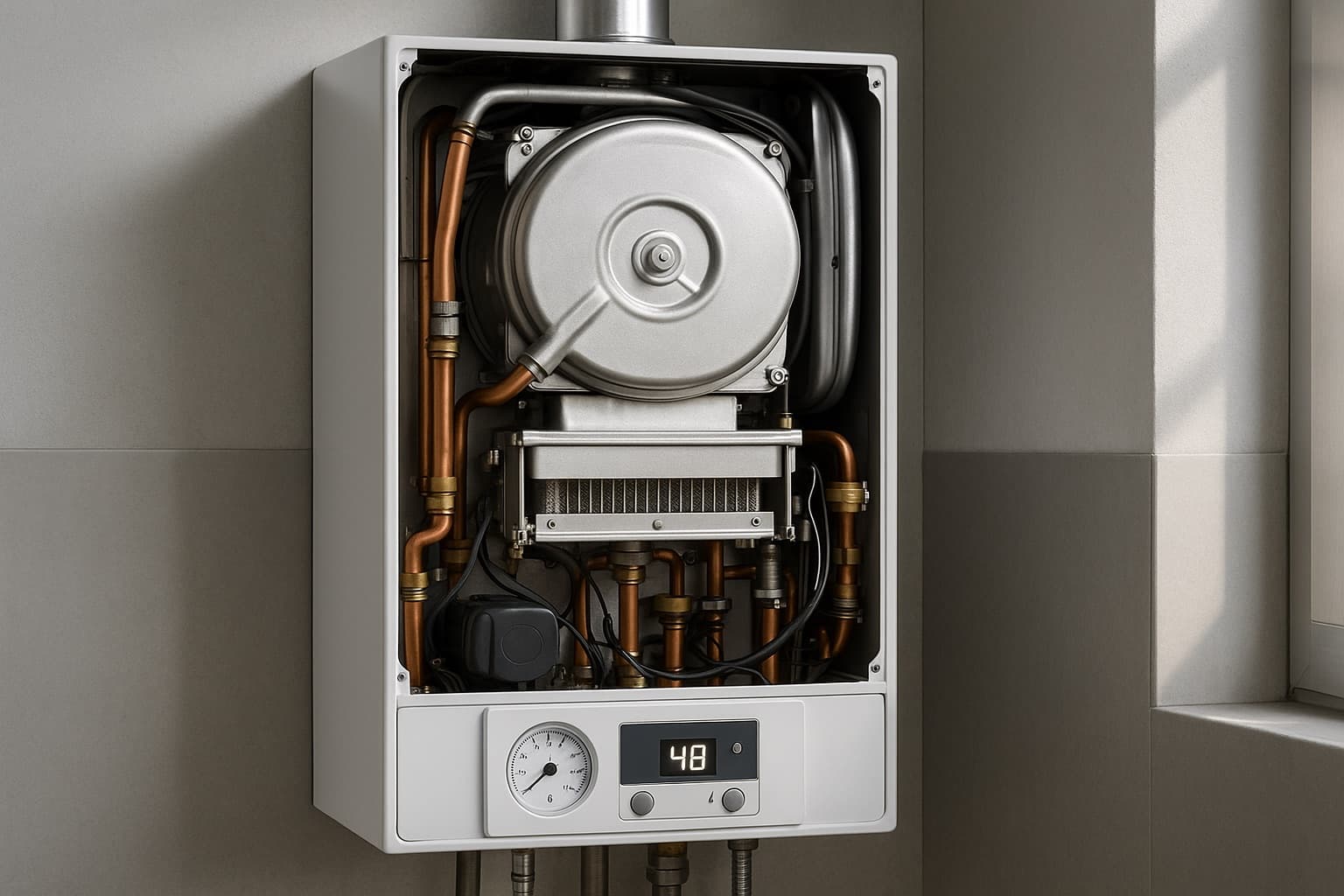
Burner and ignition – Clean burner and check ignition. Ignition problems are common in winter.
Heat exchanger – Inspect for corrosion, limescale, or sludge. A restricted heat exchanger won't cope with winter demand.
Circulation pump – Test the pump. Pumps work much harder in winter.
Safety devices – Test all safety cut-offs and thermostats work correctly.
Condensate pipe – Assess if vulnerable to freezing and recommend protection.
Common Problems Found in Pre-Winter Services
Dirty or worn burners – Likely to cause ignition failures when cold weather arrives.
Low water pressure – Small leaks that worsen under winter use.
Worn pump bearings – Pumps that will fail when asked to run continuously.
Sludge in the system – Restricts circulation and causes problems under high demand.
Blocked condensate traps – Will freeze completely in cold weather.
Finding and fixing these now prevents winter breakdowns.
Protecting Your Condensate Pipe
The condensate pipe causes more winter breakdowns than any other issue.
This small plastic pipe runs from your boiler to an outside drain and can freeze in cold weather.
Wrap the entire external run with pipe insulation.
Book Before Winter Arrives
September and October offer better engineer availability than winter.
You can book a convenient time and get problems fixed before cold weather arrives.
Booking Your Pre-Winter Service is Easy with Us
In London, Watford, Hertfordshire and Middlesex locations locations
Can't fix it yourself?
Our Gas Safe engineers repair gas, oil, and electric boilers same-day. No call-out fee — we quote before we start.
Found this useful? Add Advanced Heating & Plumbing as a preferred source on Google Search and AI Overviews.