Your radiator is hot at the top but cold at the bottom. Here are some quick checks you can do:
DIY Checks You Can Do
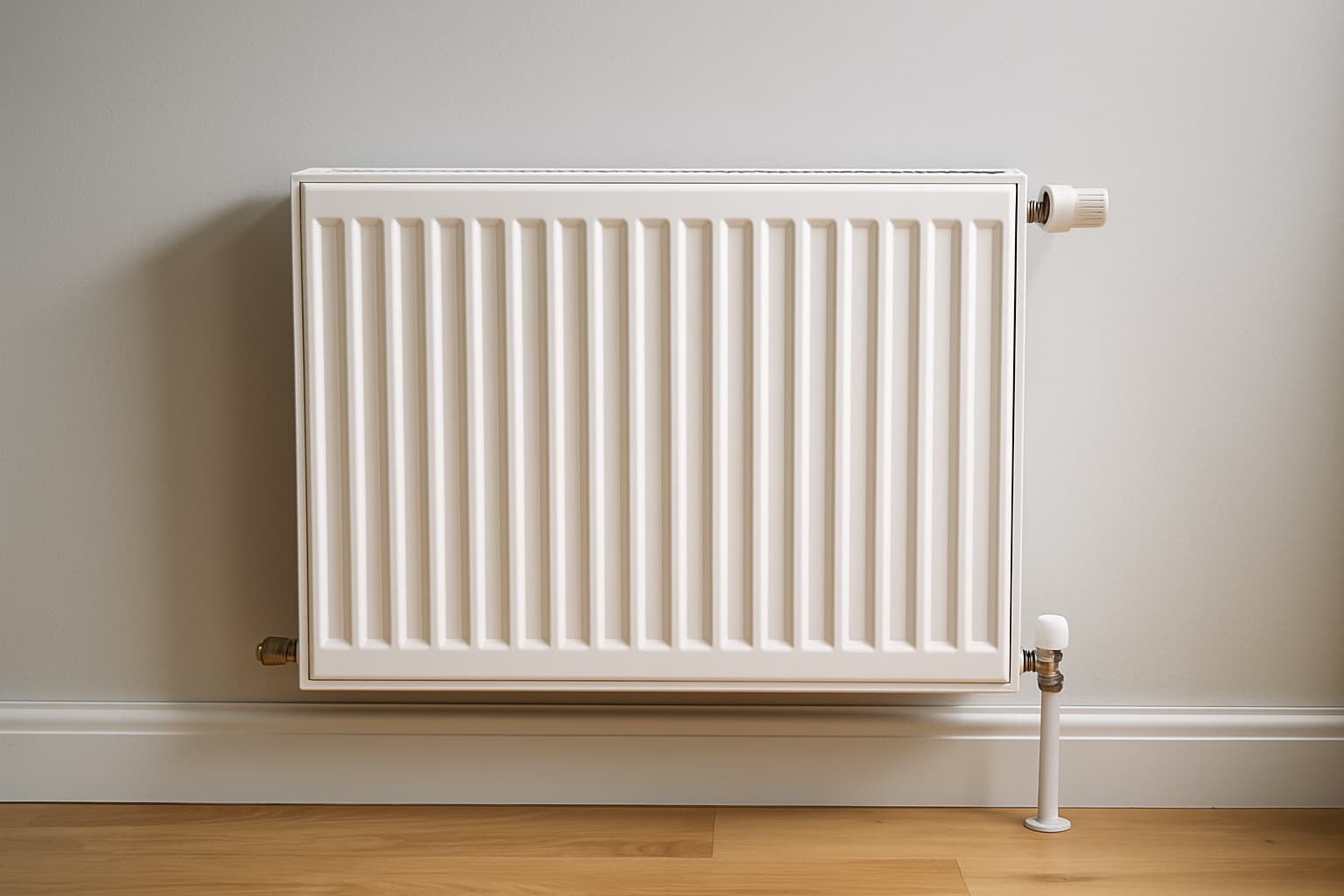
Feel the radiator – If it’s cold at the top and warm at the bottom, it’s air (bleed it). If it’s cold at the bottom and warm at the top, it’s likely sludge.
Check when bleeding – If the water that comes out is black, brown, or dirty, you have sludge in the system.
Check multiple radiators – If several radiators are cold at the bottom, it’s a system-wide sludge problem.
Try bleeding – Even though it won’t fix sludge, bleeding rules out air as the cause.
Can’t Fix It with Bleeding?
Book now CALL FREE: 0800 328 0449
We're Advanced Heating and Plumbing, covering North London, West London, Watford, Herts and Middx.
We can diagnose and fix circulation problems, including power flushing for sludge removal.
What Causes Radiators to Be Cold at the Bottom?
Sludge buildup is the main cause. Over time, rust and debris accumulate in your heating system. This sludge is heavy and settles at the bottom of radiators, blocking hot water from circulating properly.
The radiator gets hot at the top because hot water can still flow through the upper sections, but the bottom remains cold because sludge blocks the flow.
Why Does Sludge Build Up?
Rust – Metal pipes and radiators corrode over time.
Old systems – Systems over 10 years old without treatment are more prone to sludge.
Lack of inhibitor – Chemical inhibitor prevents corrosion. Without it, sludge builds up faster.
Can I Fix It Myself?
Unfortunately, no. Unlike bleeding a radiator, you can’t remove sludge yourself. It requires professional equipment.
Bleeding the radiator or adjusting the thermostat won’t work – the sludge is solid debris that needs flushing out.
Professional Solutions
Power flushing is the main solution. A powerful pump forces water and cleaning chemicals through your heating system at high velocity, breaking up and flushing out sludge.
What happens during power flushing:
Engineer connects power flush machine to your heating system
Chemicals added to break down sludge
System flushed section by section
Clean water circulated until clear
Inhibitor added to prevent future sludge
System tested
How long it takes: Usually 6–8 hours for an average house.
Results: Radiators heat evenly from top to bottom, the boiler works more efficiently, and heating bills often reduce.
Should I Replace the Radiator Instead?
Sometimes. If radiators are very old or heavily corroded internally, replacement might be better value.
A heating engineer can advise which option is best for your situation.
Signs Your Whole System Needs Flushing
Multiple radiators cold at bottom – System-wide problem
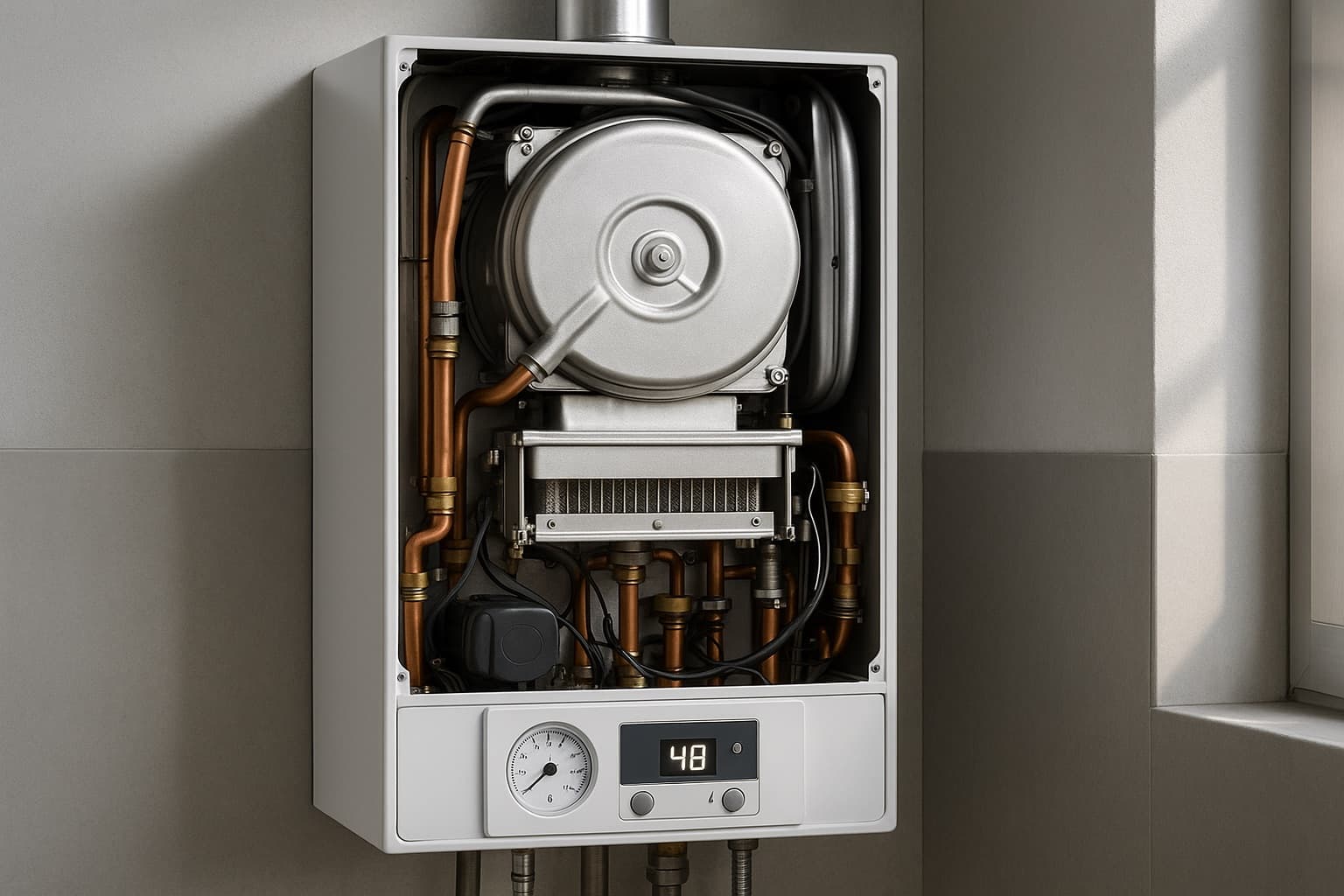
Boiler making banging or kettling noises – Sludge affecting the boiler too
Boiler cutting out regularly – Blockages causing overheating
Increased heating bills – System working harder due to poor circulation
Slow to heat up – Takes much longer than it used to
If you notice several of these signs, your whole system probably needs power flushing.
Preventing Sludge Buildup
Add inhibitor – Chemical treatment that prevents corrosion. Should be added when the system is installed or flushed.
Annual boiler service – Engineer checks inhibitor levels and system condition.
Fit a filter – Magnetic filters (like MagnaClean) catch debris before it circulates. Can be cleaned regularly.
Address leaks quickly – When the system loses water, fresh oxygenated water enters, increasing corrosion.
Booking a Heating System Assessment Is Easy with Us
In London, Watford, Hertfordshire and Middlesex locations locations
Can't fix it yourself?
Our Gas Safe engineers repair gas, oil, and electric boilers same-day. No separate call-out fee. Diagnosis is charged at our labour rate, and we quote before we start.
Found this useful? Add Advanced Heating & Plumbing as a preferred source on Google Search and AI Overviews.